
IBM to Acquire HRL Labs for Silicon Spin-Qubit Expertise

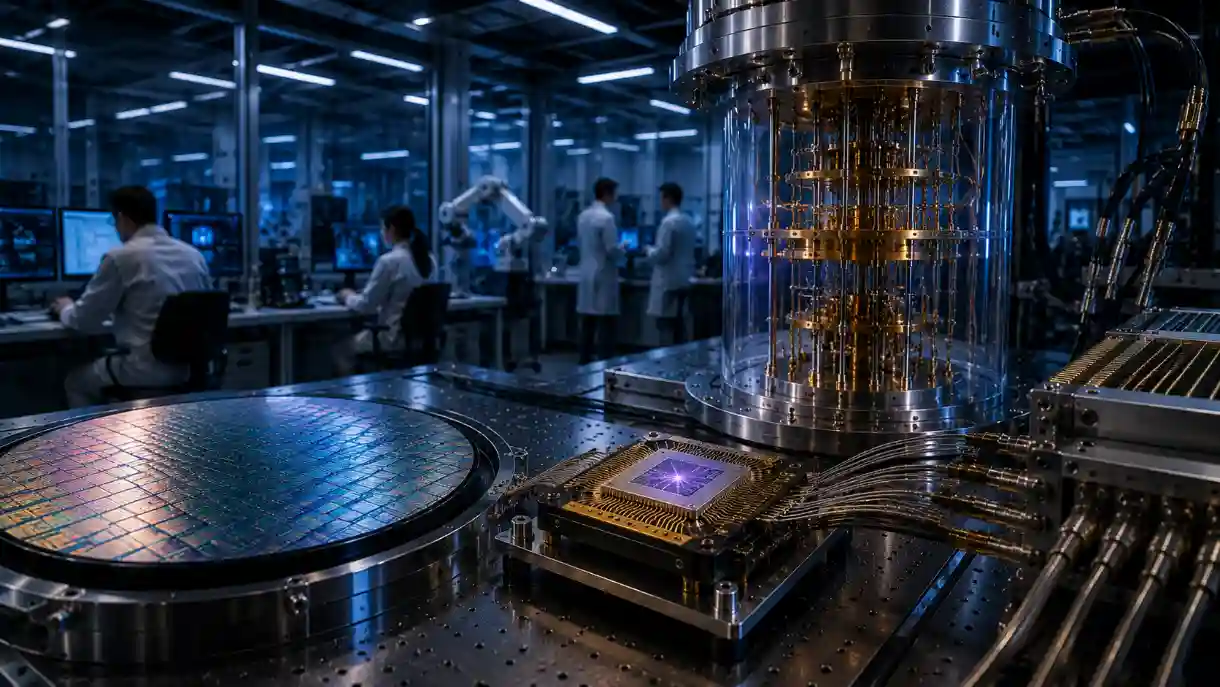
IBM has agreed to buy HRL Laboratories, a research lab jointly owned by Boeing and General Motors, to add silicon-spin-qubit expertise to its quantum program. The deal brings IBM a second qubit technology alongside the superconducting approach that anchors its roadmap. Boeing and GM will keep working with IBM on quantum applications after the sale.
Why IBM wants silicon spin-qubit technology
According to the July 23 press release, HRL’s core value to IBM is engineering around silicon-spin qubits, a technology that stores quantum information in the spin of electrons in silicon. It’s distinct from IBM’s superconducting qubits, though both rely on silicon fabrication, which is part of why IBM treats both as credible routes to scaling.
The lab also brings supporting hardware that any quantum system needs: cryogenics, control electronics, qubit interconnects, and packaging. On top of that come quantum sensing and materials research, developed over decades for commercial and US government customers. IBM research director Jay Gambetta framed the HRL team as strengthening the company’s long-term push toward useful quantum computing.
The strategic signal is harder to miss. IBM, the clearest leader in superconducting qubits, is buying its way into a competing hardware bet rather than committing to one path alone.
How the acquisition fits IBM’s quantum roadmap
IBM didn’t disclose a price, and the deal still needs regulatory approval. It’s expected to close by the end of the third quarter of 2026.
IBM used the announcement to restate its roadmap, which stays superconducting: a machine called Starling in 2029 that it projects at 20,000 times today’s power, followed by Blue Jay in the mid-2030s at a billion quantum operations. Those figures are IBM’s own projections. The company also tied HRL to Anderon, its planned quantum wafer foundry, floating spin-qubit manufacturing as a way to speed its learning cycles. The purchase follows IBM’s $10 billion, five-year quantum commitment, extending a run of moves that bind the company to its quantum plans.