
A Quantum Computing Company Just Rang the Nasdaq Bell

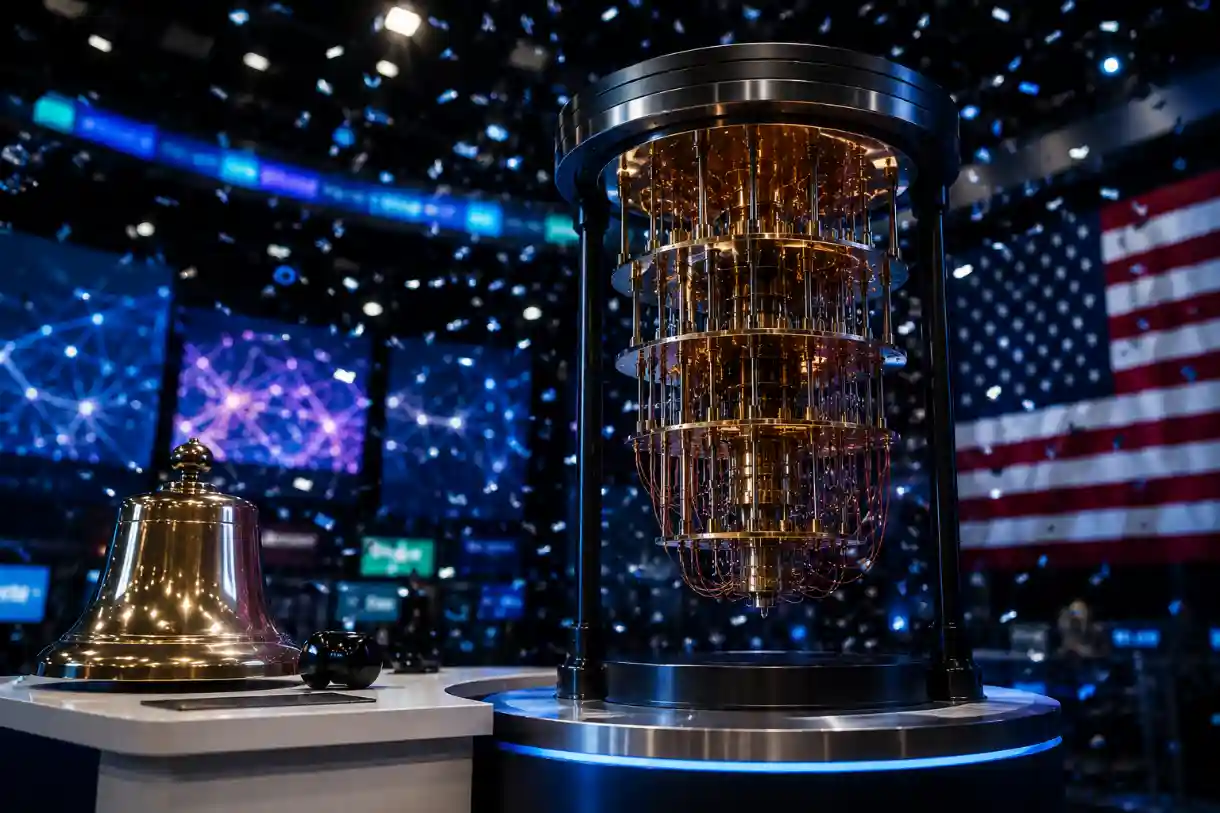
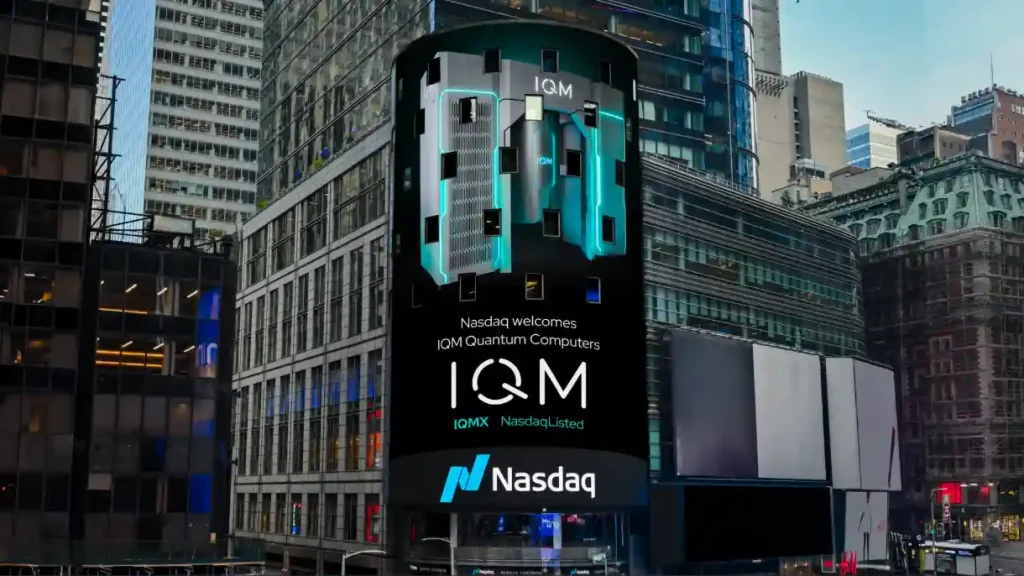
Try explaining to someone in 2019 that you could buy stock in a company whose entire product is a supercooled machine that does math using the spooky behavior of subatomic particles, and you’re gonna have a tough time. They’d assume you meant a research grant, or a very confident PowerPoint. And since very recently, it’s a ticker. IQM Quantum Computers started trading on the Nasdaq Global Select Market under the symbol IQMX, which means you can now, in theory, put superconducting qubits in your brokerage account next to your index funds.
IQM is a Finnish company that builds full-stack superconducting quantum computers, and it went public by merging with Real Asset Acquisition Corp, a shell company that already had a stock listing. That’s a SPAC deal, the reverse-merger route where a private company skips the traditional IPO and slides into an existing public shell. The merger closed, the American Depositary Shares hit the market, and IQM walked in with a pro forma cash position of 337 million euros (that’s like 385 million USD) from the proceeds.
First European quantum company on a U.S. exchange, which is a sentence that exists now
IQM is the first European quantum computing company listed on a major U.S. stock exchange. That’s the line for every headline, and it’s a legitimately notable first, so let’s give it its due before poking at it.
Quantum hardware has been an overwhelmingly American and, increasingly, Chinese story when it comes to public markets and mega-funding. A European pure-play planting its flag on the Nasdaq changes who gets to be in the room.
And IQM isn’t some lab spinout with a slide deck either. The company says it’s sold 23 quantum computers worldwide, which it claims is more than any other quantum manufacturer, and those are installed at places that stress-test hardware for a living: CINECA in Italy, the Leibniz Supercomputing Centre in Germany, and the Department of Energy’s Oak Ridge National Laboratory in the US.
23 machines is the number that actually matters
Every quantum company talks qubits, roadmaps, and fault tolerance. IQM does too, and it recently announced an error-correction approach it says cuts the hardware needed for fault-tolerant computing, which is the holy grail everyone’s chasing. Fine. Note it and move on.
The number that tells you something real is 23. That’s units shipped, to paying customers, who own and operate the machines themselves. IQM calls this its Production Quantum model, full-stack open-architecture systems that customers run and build on rather than renting time on someone else’s cloud.
Selling a physical quantum computer to an enterprise is a different sport than offering qubits-as-a-service, and IQM is leaning into the harder, more capital-intensive version. It just landed the first enterprise quantum computer purchase in Japan, with Toyo Corporation buying a system. It’s opening its first Quantum Technology Center in Maryland, parked right next to that Oak Ridge installation, in a clear play for a seat in America’s quantum strategy.
CEO and co-founder Jan Goetz framed the timing around a shift he sees in the customer base. “Around the world, organizations are moving from exploration to implementation, investing in quantum infrastructure and building the capabilities that will define the next generation of computing,” he said, adding that IQM enters the public markets “from a position of strength.” Founders always say position of strength. This one at least has receipts to point at.
The part where being public changes the assignment
So here’s the turn. A Nasdaq listing is a milestone, and it’s also a new job with a new boss, and the boss is the market. SPAC-listed tech companies carry a reputation, and it isn’t a flattering one. A stretch of them went public between 2020 and 2022 on projections that aged like milk, and quantum specifically is a field where the revenue is real but small and the timelines are long. IQM is walking into quarterly earnings calls in a business where the marquee use cases, materials science, drug discovery, optimization, are still mostly future tense.
That’s the tension at work today. Private quantum companies get judged on roadmaps and vibes. Public ones get judged on numbers, every ninety days, in front of analysts who don’t care that you were first at anything. The 337 million euros buys time to keep selling machines and executing the roadmap. However, it doesn’t buy patience from shareholders, which is a separate currency entirely.
None of this makes the listing hollow. IQM shipped more hardware than its rivals, it’s genuinely global, and it now has a war chest and a ticker. What it also has, starting today, is a scoreboard that updates in real time and an audience that will read it literally. Being the first European quantum company on a U.S. exchange is a nice thing to have been. Staying a good one is the harder line, and it starts at the next earnings call.