
City Quantum & AI Summit Returns to London in October

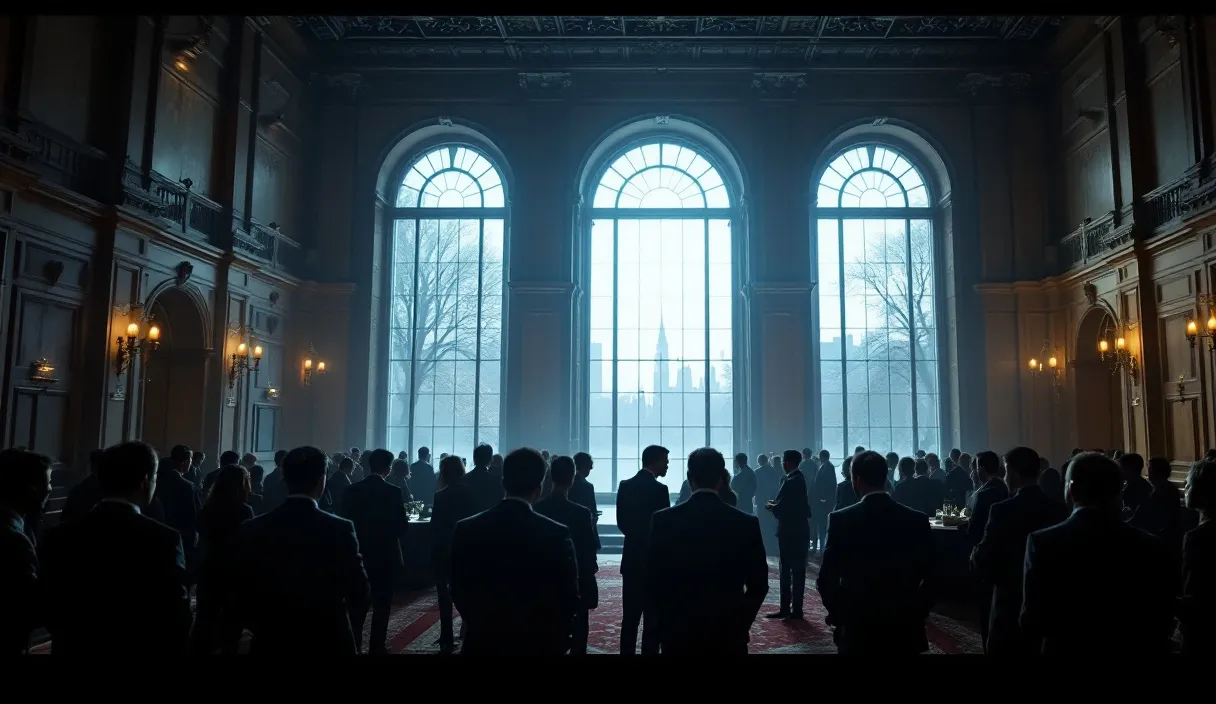
The sixth City Quantum & AI Summit, organized by Redcliffe Advisory, is set for October 7 at London’s Mansion House. This year’s one-day event will bring together executives, defense officials, investors, and policymakers under the theme “Connections in Chaos.” It’s a networking conference featuring a lineup of speakers, not a research event.
What to Expect
According to a September 2 report, Karina Robinson, founder of the summit and CEO of Redcliffe Advisory, said the event is designed for board members and investors without technical backgrounds, and to emphasize a “no jargon, plain English” approach. As Robinson added, terms like “superposition” and “entanglement” are prohibited on stage.
The day will begin with a focus on defense. Admiral Sir Tony Radakin, former chief of the UK Defence Staff, will chair a panel titled “Safety and Security in Troubled Times”. Scheduled speakers include Enrique Lizaso, CEO of Multiverse Computing; Tony Lowe, CEO of Delta.g; Jeanette van Halteren, Thales consultant; and Ben Tallis from Helsing. Additionally, Jean-Charles Ellerman Kingombe, NATO’s assistant secretary general for innovation, hybrid, and cyber, will deliver an address on cyber defense.
Other sessions will discuss finance, life sciences, and space. Dame Julia Hoggett of the London Stock Exchange and Emily Turner of HSBC Innovation Bank UK will participate in a panel discussing funding deep-tech companies. The life sciences session will feature speakers from Cleveland Clinic, the Wellcome Sanger Institute, and GSK. A space panel, organized in collaboration with Farnborough International Airshow, will include executives from Planet, Seraphim Space, and Amazon Web Services.
Understanding the Quantum Angle
The summit will address quantum computing as a future cybersecurity concern. Large, powerful quantum machines could eventually break several current encryption methods. No such machine exists today, and the “harvest-now-decrypt-later” concern is driving current interest in post-quantum cryptography (PQC).
NIST has standardized post-quantum algorithms under FIPS 203, 204, and 205. Adoption is still in its early stages, and the summit frames PQC as something organizations are beginning to consider rather than something widely deployed.
Robinson connects the theme to human relationships across various sectors. Regarding the summit’s value, she commented:
“The Summit’s focus has always been to create networks across countries and across sectors. It is the best source of innovation and, in our age of AI, the last refuge of humanity.”
Past programs have featured Oxford Quantum Circuits, Nu Quantum, and Multiverse Computing when these firms were smaller. The event has been running for six years. Whether the discussions yield more than contacts and coverage, we’ll see after October 7.