
NIST Picks SRI to Build US Quantum Manufacturing Center

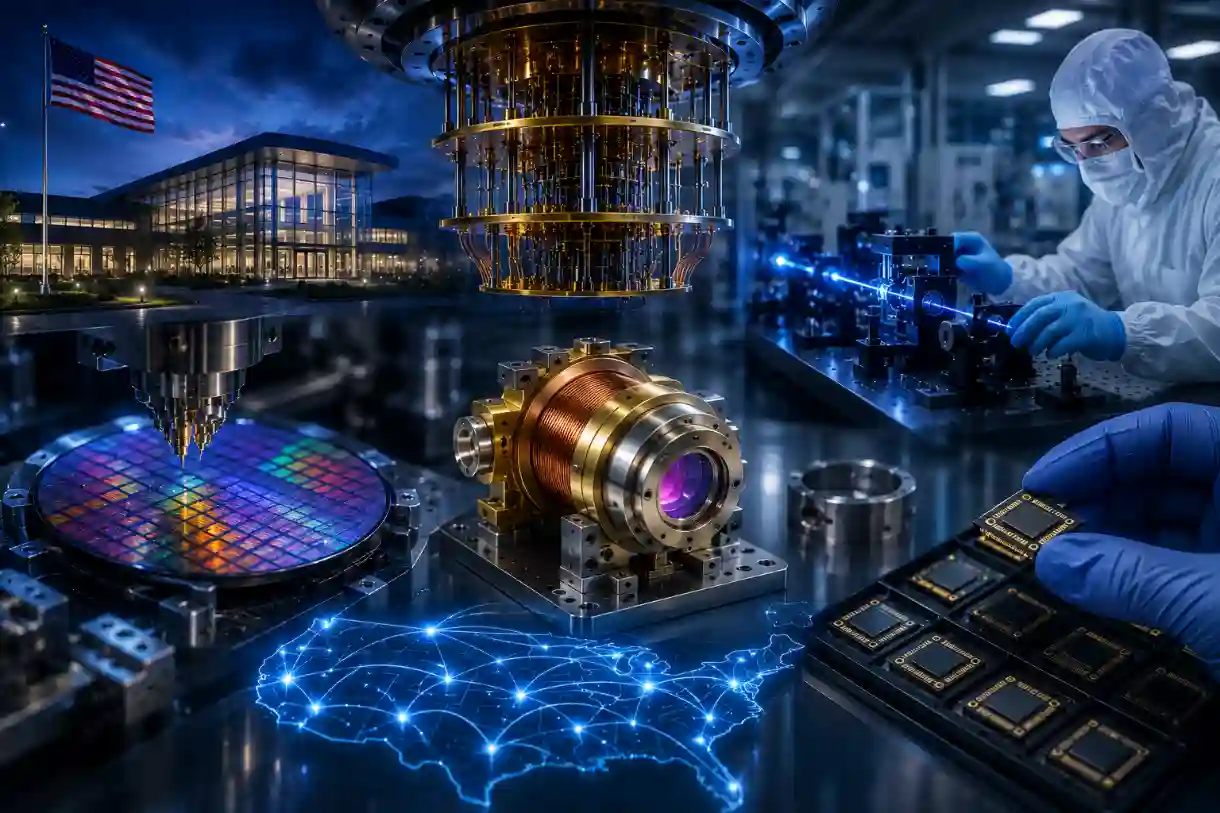
The National Institute of Standards and Technology (NIST) has tapped the nonprofit research institute SRI International to set up a new center aimed at manufacturing quantum technology at scale. Called the Quantum Manufacturing Engineering Center, or QMEC, it will work on the practical engineering problems that keep quantum components stuck in the lab. The move expands an existing NIST and SRI relationship and puts federal weight behind building a domestic quantum supply chain.
What the new quantum center will build
According to the NIST press release on June 29, the goal of QMEC is to close the distance between a working prototype and a product companies can produce in high volumes. SRI said it will recruit quantum experts and companies to run research and development projects that advance manufacturing and shore up supply chains. Specifically, the first targets are cryostats and lasers, two pieces of hardware that quantum sensors and quantum computers depend on. SRI set an early goal of making quantum-enabling components more manufacturable within three years.
The center’s task list runs wider than those two components. QMEC plans to develop scalable production processes for quantum chips and integrated photonic circuits, and to write the standards and quality-control methods that a manufacturing industry needs. It also intends to build a US-based supply chain for the materials and components that quantum systems require, train workers through quantum-focused programs, and speed the path from laboratory to production. Part of the job is recruiting quantum companies that are already trying to build scalable manufacturing.
Lawrence Lee, SRI’s QMEC program director, framed the work around deadlines rather than open-ended study. “Our approach is results-driven and timeline-focused,” he said.
“Each project we undertake will have clear goals, defined milestones, and measurable outcomes that are informed by collaborative discussions with quantum technology companies, value chain partners, and end users. We’re not just conducting research, we’re delivering critical quantum components that will be manufacturable at scale in terms of volume, performance, quality, and cost.”
Why NIST turned to SRI
Meanwhile, NIST framed the center as a public-private partnership meant to strengthen what it called America’s quantum industrial base. “NIST is a world leader in quantum science and technology based on decades of fundamental research that helped launch the U.S. quantum industry,” said Arvind Raman, Under Secretary of Commerce for Standards and Technology and NIST director. He said the collaboration with SRI would accelerate the industrial foundation the sector is being built on.
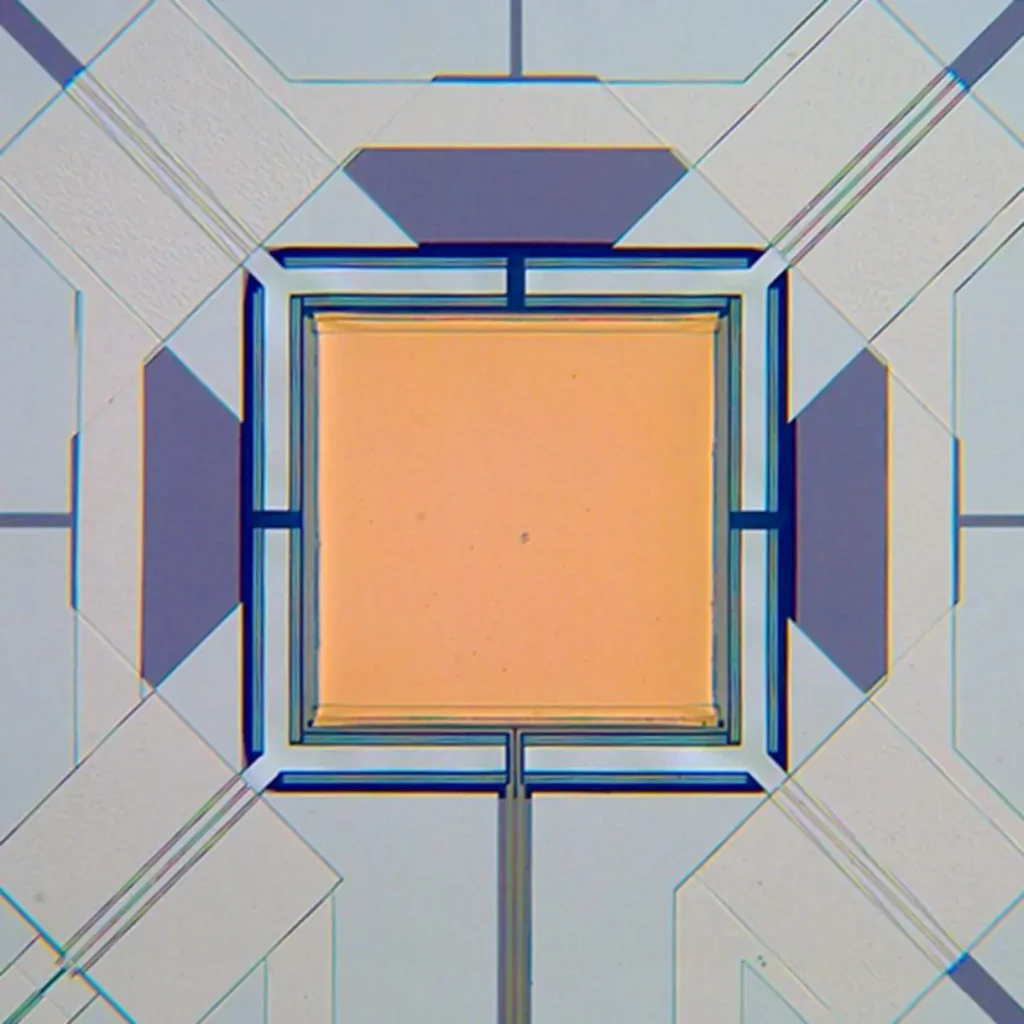
SRI comes to the job with a long track record in quantum hardware. The institute has spent more than 20 years developing precision quantum sensors, from chip-scale clocks to cold-atom sensor systems, along with the integration work needed to move those devices out of the lab. It also runs the Quantum Economic Development Consortium, or QED-C, a NIST-funded group established in 2019 that coordinates research priorities across the quantum industry.
SRI CEO David Parekh said the center draws on that history. “QMEC builds on this deep expertise and our proven ability to translate breakthrough science into real-world impact,” he said, and added that SRI is positioned to bridge quantum innovation and industrial-scale production. QED-C executive director Celia Merzbacher pointed to the engineering barriers that have held the market back. “Quantum technologies promise to revolutionize entire industries, but realizing this potential requires overcoming major engineering challenges that have limited the ability to scale manufacture and grow the market for quantum products,” she said. As she added, the partnership would remove critical barriers to quantum technology production and help keep US leadership in the field.