
PsiQuantum Signs $125 Million DARPA Deal in Its Largest U.S. Government Award

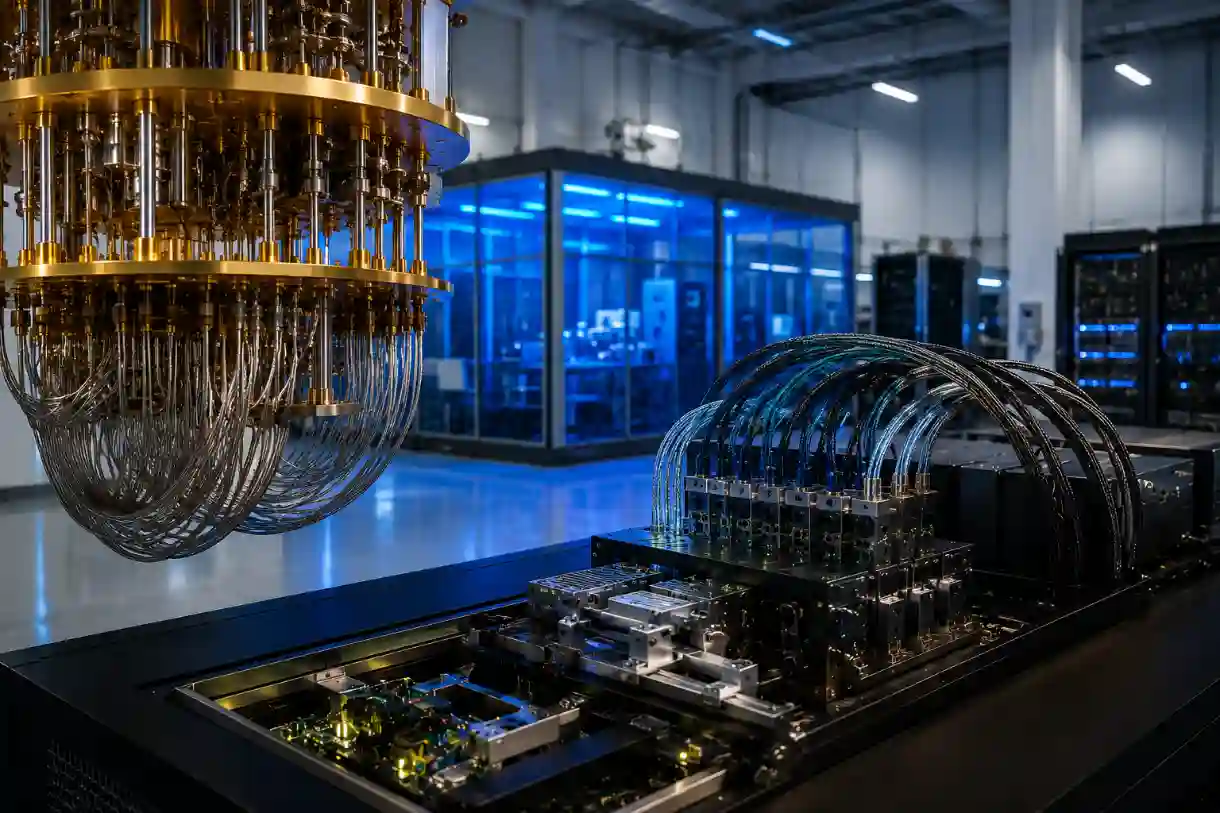
PsiQuantum has signed a $125 million expanded agreement with DARPA, its most valuable U.S. government award so far. The deal falls under DARPA’s Quantum Benchmarking Initiative, and PsiQuantum remains one of only two companies in Stage C, the program’s final and most demanding evaluation phase. The money funds testing of its hardware, software, and supporting infrastructure at sites in Milpitas, California, and Chicago.
Why DARPA expanded its support for PsiQuantum
The dollar figure is less telling than the trajectory. According to the July 22 press release, DARPA first selected PsiQuantum in 2023, moved it through successive stages, and issued a $31.8 million Stage C tasking in September 2025. This $125 million agreement expands the scope of that validation work across hardware, architecture, and applications.
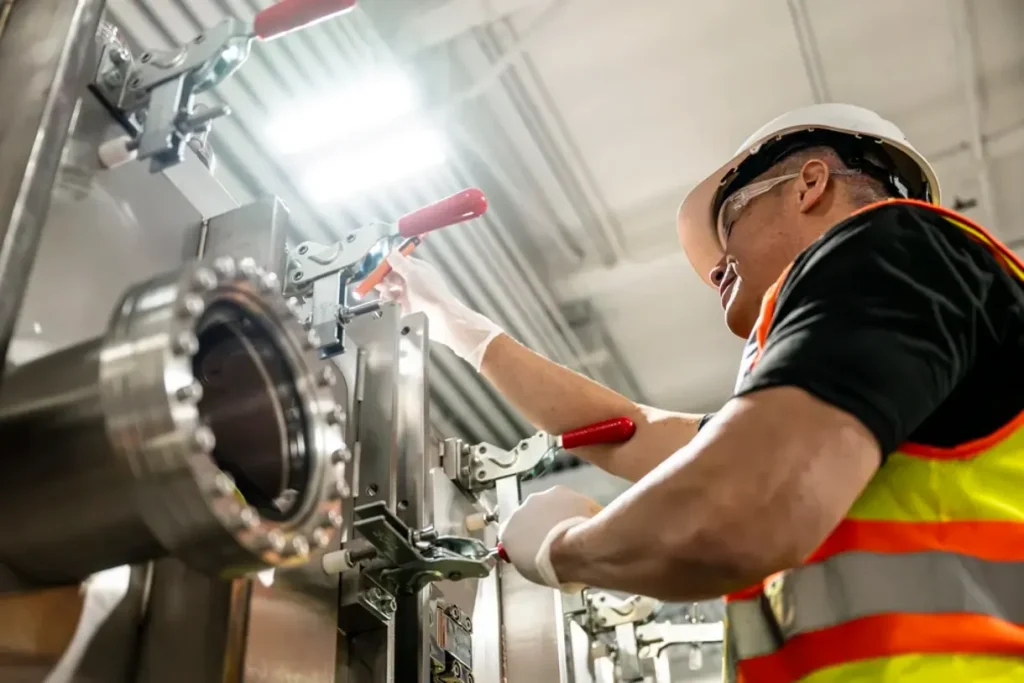
QBI is designed to be skeptical, applying independent, pathway-agnostic scrutiny to quantum companies, and PsiQuantum has given DARPA extensive access: on-site reviews, component-level testing, resource estimates for its algorithms, and its Construct software platform. A program built to stress-test claims putting more money behind PsiQuantum says something the company’s own marketing cannot.

What the $125 million award doesn’t prove
Indeed, this is validation of PsiQuantum’s designs and approach, not proof it has built a working machine. That distinction is important because PsiQuantum’s whole strategy is to skip incremental milestones and aim straight at a utility-scale computer, which makes it hard to judge from outside.
DARPA is careful about the same point. Program director Micah Stoutimore said it “now seems likely that someone will build a utility-scale quantum computer by 2033,” and that DARPA wants to assess “every viable pathway.” That’s not a bet on PsiQuantum specifically.
The award follows PsiQuantum’s May letter of intent with the Commerce Department for up to $100 million in proposed CHIPS Act incentives. Between DARPA, Commerce, and its Chicago site at the Illinois Quantum and Microelectronics Park, the company has tied itself tightly to federal quantum strategy. Whether the technology delivers is still the open question.