
Singapore’s Defense Agencies Team With IBM to Test Quantum Mission Planning

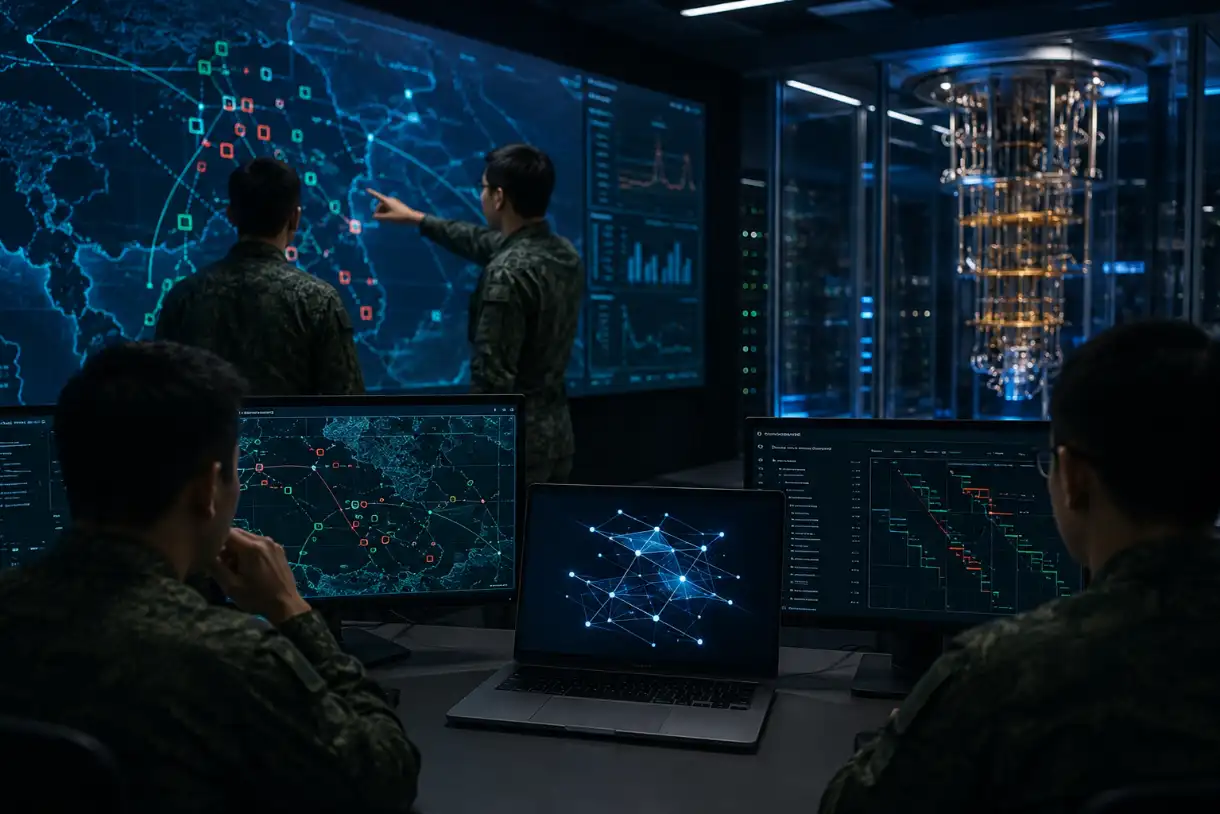
Two of Singapore’s defense organizations are testing whether quantum computing can help with military planning. The Singapore Armed Forces’ Digital and Intelligence Service and the Defense Science and Technology Agency have partnered with IBM to try quantum optimization on a mission planning problem. This is an evaluation and training exercise.
How Singapore plans to test quantum optimization
Mission planning means balancing many competing demands at once, resources, constraints, and timelines, which is the kind of combinatorial problem quantum optimization is often proposed for, though not yet proven to solve better than classical methods at useful scale. Under the collaboration, DIS and DSTA engineers will work with IBM specialists on a representative planning problem and get cloud access to IBM’s quantum systems, with logistics optimization named as one target.
According to the July 21 press release, the stated goal is expertise as much as results. The agencies frame this as building indigenous skills so the armed forces can use quantum technology as it matures.

Why the defense agencies are keeping expectations modest
What stands out is how cautious the participants are, which is unusual for this kind of announcement. The DIS commander, Guo Jinghua, said the point is to understand quantum’s “opportunities and limitations.” DSTA’s deputy chief executive Gayle Chan stressed applying systems engineering to work out where quantum could deliver “meaningful impact.” As she explained:
“Realizing the value of quantum computing requires more than advancements in technology – it requires a deep understanding of operational problems and how new technologies can be integrated into real-world systems.”
IBM’s role is to provide the hardware access and enablement resources to help the two agencies build skills.

The organizations haven’t yet disclosed any contract value, timeline, or hardware commitment. The news is narrower than the framing: a national defense organization has put quantum computing on its evaluation roadmap and is training its own people to assess it.