
TOYO Buys Second IQM Quantum Computer for Tokyo R&D Center

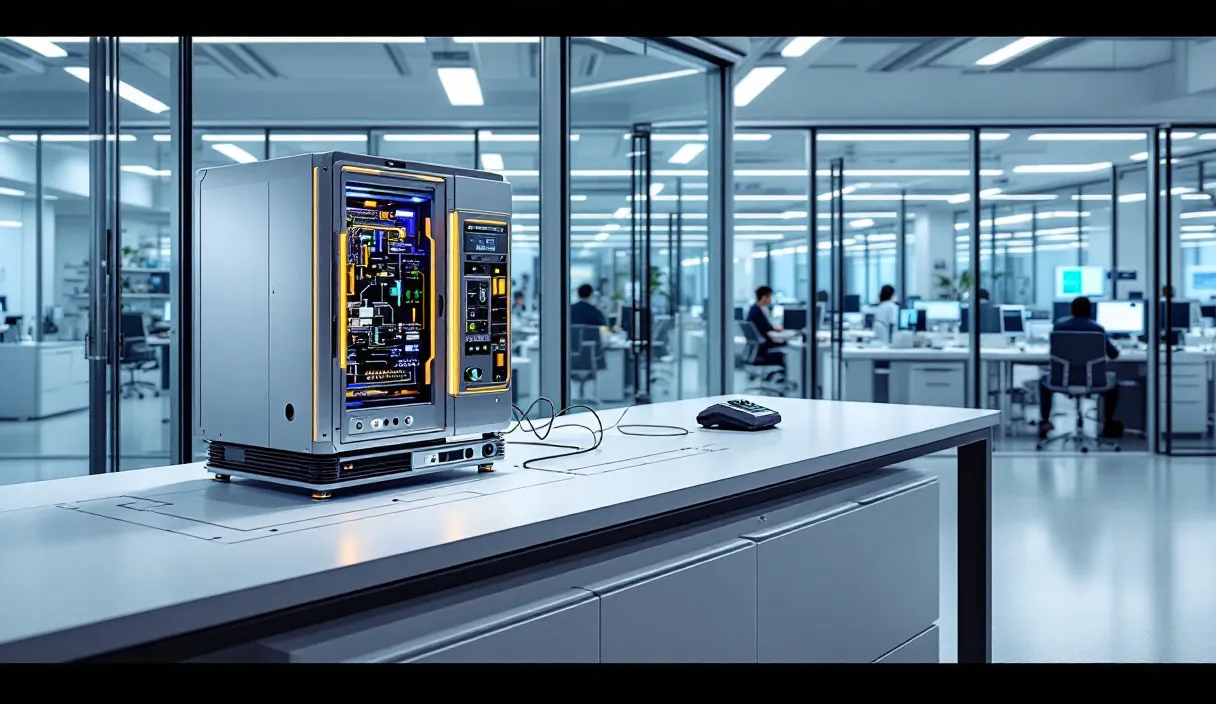
TOYO Corporation has acquired a second quantum computer from IQM, an IQM Spark system, according to a press release on September 15. This machine will be located at TOYO’s R&D center in Kiba, Tokyo, with IQM anticipating its operation to begin in early 2027.
Details of TOYO’s Purchase
IQM, which identifies itself as a global manufacturer of superconducting quantum computers, states that TOYO’s second acquisition is a full-stack IQM Spark system. IQM reports that the system will be installed at TOYO’s Tokyo R&D center, with operations commencing in early 2027, serving purposes from education to algorithm validation.
This purchase follows TOYO’s previous order of an IQM Radiance 20-qubit system, which IQM plans to install at G-QuAT, a facility managed by Japan’s National Institute of Advanced Industrial Science and Technology, by the end of 2026.
In the release, IQM CEO Jan Goetz highlighted the significance of TOYO’s decision to make these systems accessible to universities, startups, and researchers, rather than focusing solely on the second purchase itself. TOYO’s President and CEO Toshiya Kohno expressed the company’s goal to create environments where individuals can gain practical experience with real quantum computers. Quantum Computing Report characterizes the two machines as a dual-QPU testbed, and AFP also reported on the emphasis on open access.
What the Purchase Does Not Indicate
The exact physical qubit count of the Spark is not mentioned. The only stated qubit count is 20, belonging to the planned Radiance machine. A 20-qubit superconducting device is generally a small system, suitable for educational purposes and component testing. This announcement does not demonstrate scalability, fault tolerance, or a computational breakthrough. Owning two machines is distinct from successfully running workloads on them.
This order also contributes to IQM’s reported figures. The company began trading on Nasdaq and the Helsinki exchange in July 2026. In August, it reported a backlog exceeding €102 million, with 26 systems sold and 17 delivered.
For context, the EU is developing a Quantum Act focused on European quantum supply chains, a policy effort separate from this specific purchase. The next verifiable milestones will be the installation and commissioning of the Spark in early 2027, along with the publication of specifications for both machines.