
Lockheed Martin Backs Quantum Tech to Strengthen GPS


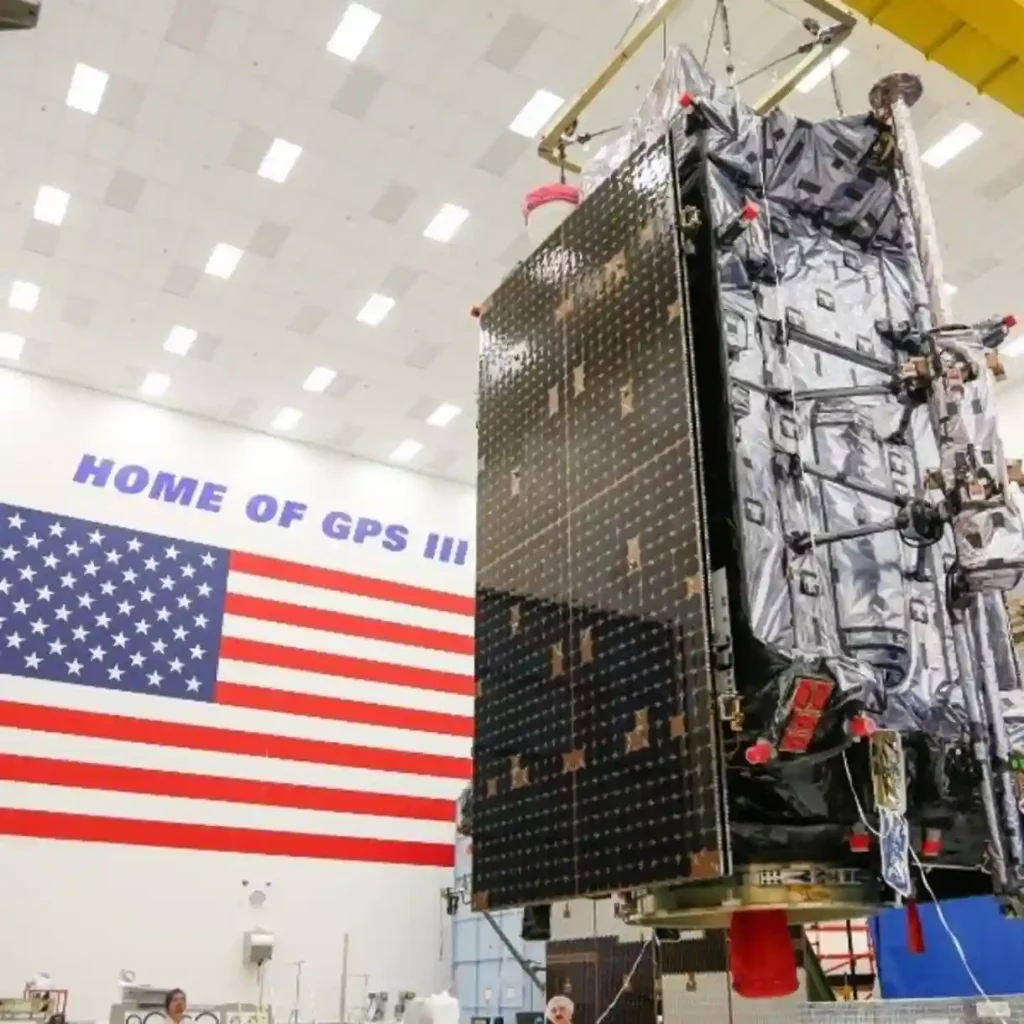
Lockheed Martin just doubled down on a future where GPS doesn’t work alone, and argues that quantum navigation will become its backup brain. The company says quantum sensors can refine positioning even when satellite signals get jammed or disappear, whereas GPS III and upcoming GPS IIIF satellites already deliver up to 8× and 63× stronger anti-jamming capabilities for military users, respectively. This is important as navigation is increasingly becoming part of the resilience race shaping modern defense and critical infrastructure.
GPS is just having a very human day
What if the little blue dot on your phone suddenly decided to freelance?
That’s basically the problem Lockheed Martin wants to solve, according to its June 24 report. GPS remains the world’s navigation MVP, as it guides everything from delivery vans to military aircraft, but it also has moods. Concrete garages, dense cities, electronic interference, and deliberate jamming can all nudge that famous blue dot away from where you actually are. (Your phone isn’t gaslighting you on purpose. Usually.)
Why? Because GPS depends on signals traveling from satellites orbiting Earth. Interrupt the signal, and the Position Drama Machine begins.
Lockheed Martin deserves credit here because it isn’t pitching quantum navigation as a flashy replacement. That’s the mistake every “AI kills everything” headline keeps making. The company actually sees GPS as the reliable team captain as quantum sensors become the accuracy gremlin that constantly whispers, “Actually… you’re over here.”
GPS III satellites already deliver significantly stronger anti-jamming protection than earlier generations, while GPS IIIF adds focused military beam technology that pushes resilience even further. Basically, the satellite constellation keeps doing the big-picture work.
Quantum is the obsessive friend who checks the map five times
Quantum navigation works differently because ultra-sensitive quantum sensors measure movement directly, and let a vehicle track its own position even when GPS goes quiet. Naturally, there’s a catch.
The technology still lives in its awkward beta era, so Lockheed Martin has teamed up with Q-CTRL, AOSense and U.S. Defense Department programs to push quantum sensors out of laboratories and into operational hardware. The real trick is giving GPS a very stubborn co-pilot.
This combination could keep military platforms navigating through contested environments where spoofing and jamming have become routine. If you’re anyone else, the parking garage example from Lockheed Martin says plenty. Sometimes you don’t need a navigation revolution. All you need is the blue dot to stop wandering off.