
Anderon Finalizes $1 Billion CHIPS Award for Quantum Foundry

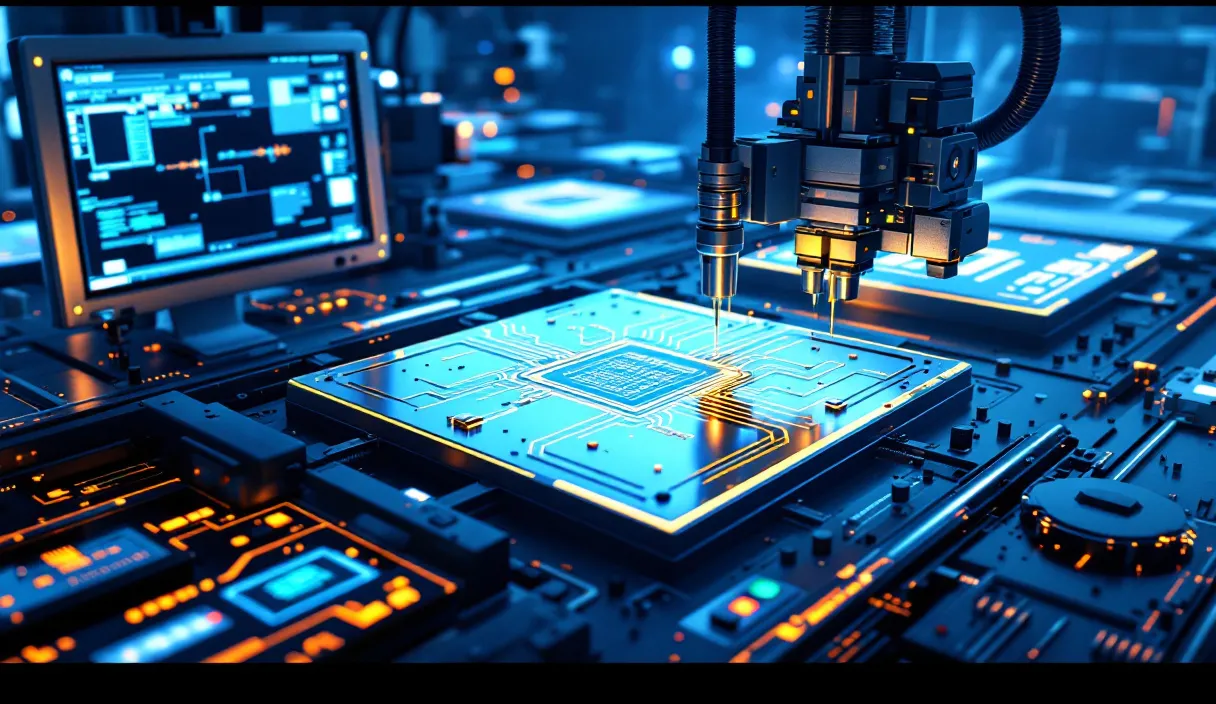
Anderon, an IBM company, has finalized a $1 billion award under the CHIPS and Science Act with the U.S. Department of Commerce. This funding will support research and development (R&D) for quantum wafer manufacturing. Anderon operates a 300-millimeter foundry in Albany, New York, where its first quantum wafers are now in early production.
Award Details
This finalized agreement follows a letter of intent from May 2026 between the Department of Commerce and IBM. Anderon describes its facility as a pure-play quantum wafer foundry, which means it produces wafers for other companies rather than complete quantum computers. IBM has also committed an additional $1 billion of its own funds to this initiative.
The company has not specified the legal nature of the federal award (e.g., direct grant, loan, tax credit, or a combination) or disclosed any payment or milestone conditions. The announcement dates the agreement to September 16, 2026.
Anderon’s listed products include superconducting qubit arrays, quantum input/output signaling, and readout signal chain components. The finalization of this award is based on statements from Anderon and IBM, as reported by Barron’s and shared on social media.
Confirmed vs. Unconfirmed Information
Anderon considers the initial wafers running through the plant a “significant operational milestone,” which indicates early-stage activity rather than commercial-scale output. Mukesh Khare, Anderon’s CEO, stated that the deal “strengthens our ability to deliver the manufacturing scale the quantum industry needs.” Jay Gambetta of IBM Research links the foundry to IBM’s quantum roadmap, which is a projection of future developments, not a current achievement.
Supporting domestic wafer fabrication can bolster quantum hardware supply chains, aligning with broader policy initiatives such as the EU Quantum Act. However, producing wafers is distinct from building functional quantum machines, a difference also observed in efforts related to error correction and software tooling. The available information does not provide evidence of quantum advantage, fault tolerance, or a deployed quantum system. What is confirmed is the funding and the operation of a foundry that has begun processing wafers, without details regarding qubit counts or practical computational use.